
When it comes to Tritium disposal, you might wonder why it matters and how it affects your safety and the environment. Tritium, a radioactive form of hydrogen, is used in various industries, from lighting to nuclear energy.
But once it’s no longer needed, getting rid of it properly becomes crucial. You’ll discover what Tritium disposal really means, why it’s important for you and your community, and the simple steps that can make a big difference. Keep reading to learn how you can stay informed and help protect the world around you.

Tritium Basics
Tritium is a rare form of hydrogen. It is radioactive and has unique features. Understanding tritium helps us manage its disposal safely. This section explains the basics of tritium, including its properties, uses, and sources of waste.
Knowing these facts is key to handling tritium waste properly. It supports better safety and environmental protection.
Properties And Uses
Tritium contains one proton and two neutrons. This makes it heavier than normal hydrogen. It emits low-energy beta radiation. Tritium has a half-life of about 12 years. It slowly decays into helium-3.
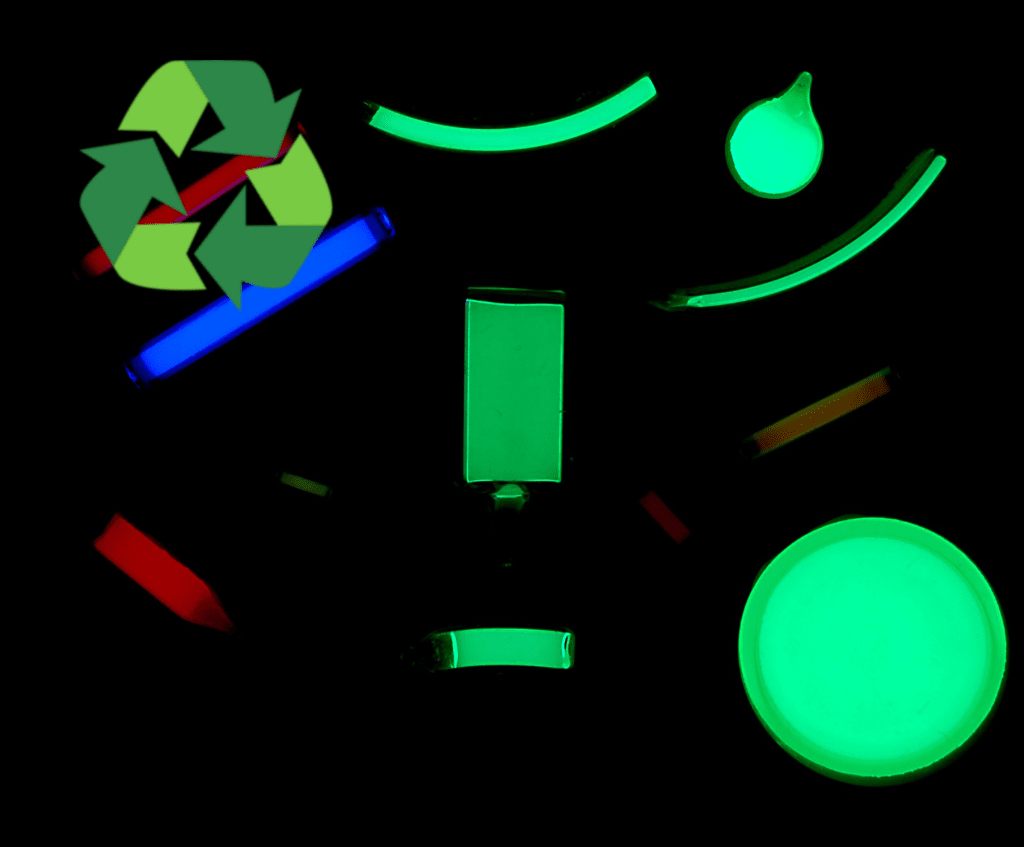
It glows faintly in the dark. This glow is used in exit signs and watch dials. Tritium is also used in nuclear fusion research. Scientists use it as a tracer in environmental studies. Its radioactive nature makes it useful but also demands careful handling.
Sources Of Waste Tritium
Tritium waste comes from several places. Nuclear power plants produce it during reactor operations. Some medical and research facilities use tritium in experiments. Military sites create tritium waste from weapon production.
Industrial processes sometimes release small amounts of tritium. Waste tritium can be found in contaminated water or materials. Proper disposal reduces risks to people and the environment.
Risks Of Tritium Disposal
Disposing of tritium carries several risks. Tritium is a radioactive form of hydrogen. Its unique properties pose challenges in safe disposal. Understanding these risks helps in managing tritium carefully.
Environmental Impact
Tritium can enter water and soil easily. It mixes with water and spreads quickly. This spread can affect plants and animals. Radioactive tritium can harm ecosystems over time. Contaminated water sources are hard to clean. Safe disposal methods limit environmental damage. Careless disposal can cause long-term pollution.
Health Concerns
Tritium emits low-energy radiation called beta particles. This radiation cannot penetrate skin deeply. But tritium can enter the body through drinking water or air. Inside the body, it can damage cells and DNA. Long exposure raises risks of cancer and illnesses. Workers handling tritium need strict safety measures. Public health depends on controlling tritium release.
Current Disposal Methods
Tritium disposal requires careful handling due to its radioactive nature. Various methods exist to manage and reduce its environmental impact. These methods focus on safety and minimizing exposure risks.
Storage And Containment
Tritium is often stored in secure containers. These containers prevent leaks and limit radiation exposure. Storage sites are designed to isolate tritium from the environment. This method keeps tritium stable until it decays naturally. It is a reliable way to control tritium safely.
Dilution And Release
Dilution involves mixing tritium with large water volumes. This lowers the tritium concentration to safe levels. After dilution, tritium can be released into the environment. Strict regulations govern how much tritium can be released. This method reduces risk but requires careful monitoring.
Recycling Techniques
Recycling tritium recovers it from used materials. This process reduces waste and saves resources. Industries reuse tritium in new products or experiments. Recycling helps limit the total amount of tritium needing disposal. It supports sustainability in tritium management.
Innovative Disposal Technologies
Innovative disposal technologies offer new solutions to manage tritium safely. These methods focus on reducing risks and improving environmental safety. They also aim to handle waste more efficiently. Exploring these technologies helps industries meet regulations and protect public health.
Advanced Containment Systems
Advanced containment systems use strong materials to trap tritium. These systems prevent leaks and reduce contamination. They often include layered barriers and special seals. Monitoring tools track any changes inside the containers. This approach keeps tritium isolated from the environment.
Chemical Conversion Approaches
Chemical conversion changes tritium into less harmful forms. This method lowers its radioactivity and toxicity. Reactions may transform tritium into stable compounds. These compounds are easier to store or dispose of safely. Chemical treatments reduce long-term risks linked to tritium waste.
Biological Treatment Options
Biological treatment uses microbes to break down tritium compounds. Certain bacteria can absorb or transform tritium. This natural process helps reduce tritium levels in waste. It provides an eco-friendly way to treat contaminated water or soil. Scientists continue to study and improve these methods.
Regulatory Frameworks
Tritium disposal requires clear rules to keep people and nature safe. Different groups create these rules to control how tritium is handled and thrown away. These rules help avoid pollution and health risks. Understanding these rules helps industries and governments follow the law and protect the environment.
International Standards
International bodies set rules for tritium disposal worldwide. These rules aim to protect workers and the environment. The International Atomic Energy Agency (IAEA) offers guidelines on safe tritium handling. Countries often use these standards as a base for their own laws. This helps keep safety levels high everywhere.
National Guidelines
Each country makes its own laws for tritium disposal. These laws match local needs and risks. Agencies monitor how tritium waste is stored and released. They require permits for disposal activities. These rules ensure companies follow safe practices. Regular inspections help enforce these guidelines.
Compliance Challenges
Following tritium rules can be complex and costly. Some firms struggle with technical limits on waste storage. Tracking tritium levels requires advanced tools and skills. Differences between countries create challenges for global companies. Non-compliance risks fines and environmental damage. Continuous training and clear communication improve compliance rates.
Eco-friendly Strategies
Eco-friendly strategies for tritium disposal focus on protecting nature while handling this radioactive substance. These methods aim to reduce pollution and use resources wisely. Safe disposal helps keep air, water, and soil clean. It also supports a healthier environment for all living things.
Minimizing Environmental Footprint
Reducing the environmental footprint means using less energy and creating less waste. Tritium disposal sites are designed to stop leaks and prevent contamination. Careful monitoring ensures tritium stays contained. Using advanced technology helps track and manage risks. This lowers harm to nearby ecosystems and communities.
Sustainable Resource Management
Sustainable resource management focuses on reusing and recycling materials linked to tritium. It reduces the need for new raw materials. Treating tritium waste safely allows recovery of valuable components. Responsible management limits the impact on natural resources. Planning and strict rules guide the entire disposal process.
Future Trends
The future of tritium disposal holds promising changes. Advances in science and technology are shaping safer and cleaner methods. These trends will impact energy, environment, and industry.
Understanding these future directions helps us prepare for better tritium management. It supports safer nuclear practices and environmental protection.
Emerging Research
New studies explore innovative ways to reduce tritium waste. Scientists focus on capturing and recycling tritium efficiently. Research also aims to limit tritium’s release into the environment. This work could lead to improved safety standards worldwide.
Potential For Fusion Energy
Tritium plays a key role in fusion energy development. Fusion promises a clean and abundant energy source. Proper tritium disposal will be vital to fusion reactor success. Advances here could reduce overall tritium hazards. Fusion energy may change how we view tritium’s future.

Frequently Asked Questions
What Is Tritium Disposal And Why Is It Important?
Tritium disposal involves safely managing radioactive hydrogen waste. It prevents environmental contamination and protects human health. Proper disposal ensures regulatory compliance and minimizes radiation risks.
How Is Tritium Waste Typically Disposed Of?
Tritium waste is usually diluted and released into water or air under strict limits. Solid waste may be stored in controlled facilities until decay. Advanced methods aim to contain or reduce tritium safely.
What Are The Environmental Risks Of Improper Tritium Disposal?
Improper disposal can lead to water and soil contamination. Tritium can enter the food chain, causing radiation exposure. This risks ecological balance and public health, making safe disposal crucial.
Are There Regulations Governing Tritium Disposal?
Yes, strict regulations exist globally to control tritium release and waste handling. Agencies set limits on exposure and disposal methods. Compliance ensures environmental protection and public safety.
Conclusion
Safe tritium disposal protects people and the environment. Proper methods reduce risks and stop pollution. Handling tritium carefully keeps communities healthy and secure. Following rules and guidelines matters a lot. Research continues to find better disposal ways. Everyone involved plays a key role in safety.
Understanding tritium’s impact helps us act wisely. Clean and safe disposal supports a healthier future. The choices we make today shape tomorrow’s world. Tritium disposal is a shared responsibility we cannot ignore.